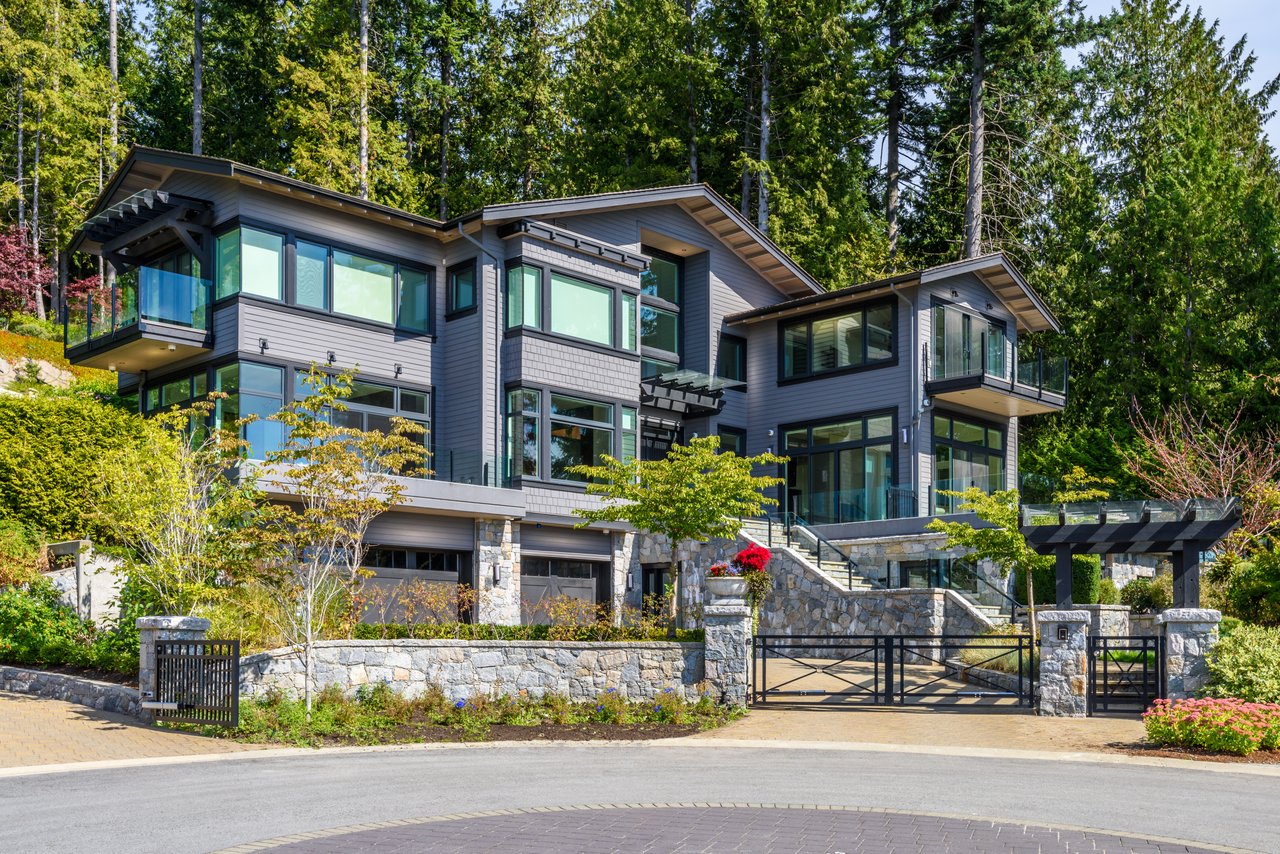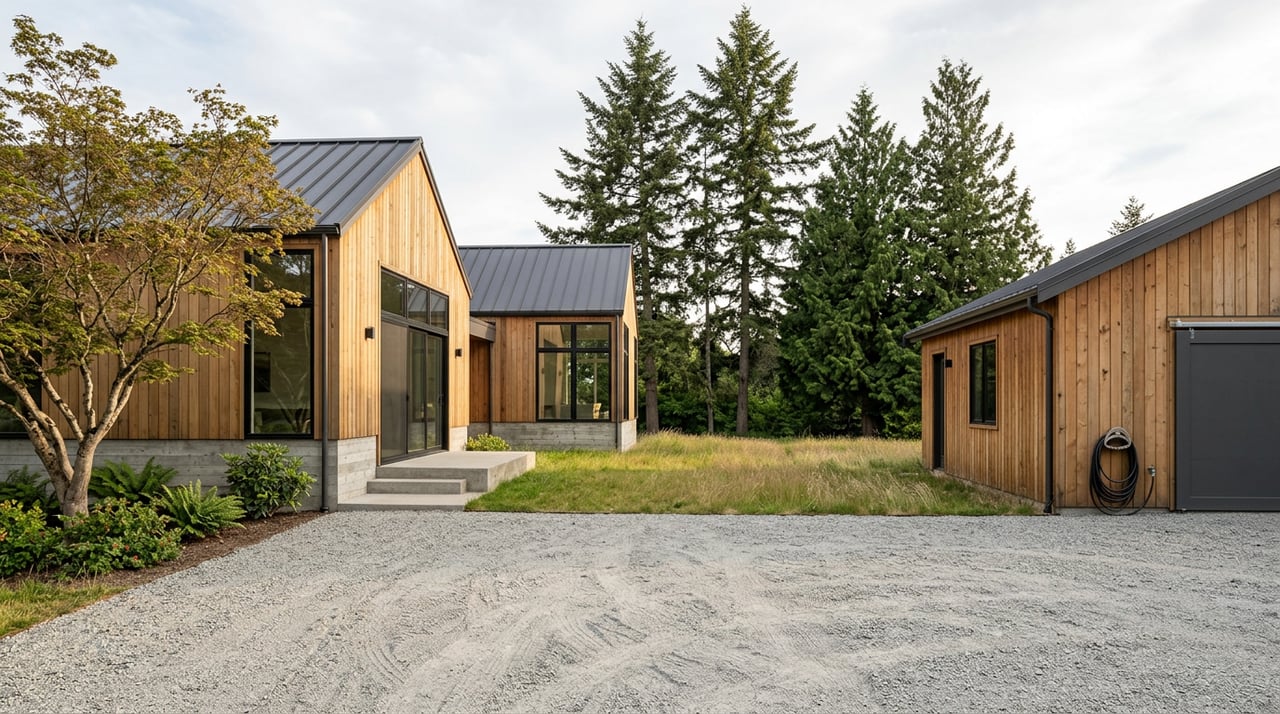
Ever pictured morning coffee overlooking your own meadow, a small orchard, or space for a workshop and a few animals? Acreage living in the Comox Valley offers room to breathe with easy access to town. Buying rural, though, follows different rules than an in‑town home. In this guide, you’ll learn how zoning and the ALR shape what you can do, the essentials of wells and septic, what to check on title and hazards, how pricing works, and a clear due‑diligence plan you can use. Let’s dive in.
What “acreage” means here
In the Comox Valley, “acreage” usually means 1 to 20 or more acres that support rural residential life, small livestock, market gardens, or hobby farms. Many of these parcels sit outside municipal boundaries in the Comox Valley Regional District (CVRD), while others are within Courtenay, Comox, or Cumberland. Rules, permits, and services vary by location.
A significant share of local farmland is in the Agricultural Land Reserve (ALR), which adds provincial rules around use, building, and subdivision. Always confirm ALR status early.
Know the rules: zoning and ALR
Check zoning and permitted uses
Before you write an offer, confirm the property’s zoning and what is allowed. Zoning sets permitted uses, minimum lot sizes, setbacks, and whether accessory buildings like barns or workshops are allowed. Start with the CVRD land use and zoning page if the property is in a rural electoral area. If it is inside Courtenay, Comox, or Cumberland, contact the municipal planning department for the applicable zoning bylaw.
Confirm ALR status early
If a property is in the ALR, provincial rules can limit non‑farm uses, subdivision, and the size and siting of residential structures. Use the ALC’s ALR map viewer to confirm whether a parcel is in the ALR. If you plan non‑farm uses or changes, additional approvals may be required.
Water and septic essentials
Private wells: records and water testing
Many acreages rely on private wells. In British Columbia, well drillers and pump installers submit records to the provincial database. If a well was built or altered after 2016, there should be a record in the provincial GWELLS well records.
As a buyer, request the well log and arrange lab testing. A standard purchase condition often includes a current lab report for bacteria (total coliform and E. coli) and a basic chemical panel such as nitrate and metals. Depending on local geology or land use, additional parameters may be appropriate. For guidance on testing and private supplies, review Island Health guidance on private wells and sewerage. If you are unsure about water quantity, add a well performance or pump test condition.
Septic systems: inspections and records
Onsite sewage is regulated in BC under the Sewerage System Regulation and the provincial Standard Practice Manual. Work on new systems or significant repairs must be done by an Authorized Person. During a purchase, it is common to request an inspection and report by a Registered Onsite Wastewater Practitioner (ROWP). You can find a Registered Onsite Wastewater Practitioner to perform a private inspection. For local document requirements, see the CVRD’s ROWP proof‑of‑compliance handout.
If system records are incomplete, plan for further evaluation. Clarify maintenance history and pumping frequency, and request any filings with the health authority.
Permits, outbuildings, and site planning
Even in rural areas, permits can be required for new buildings, larger sheds, barns, and changes of use. Ask the seller for as‑built plans and copies of permits for the home and major outbuildings. Confirm setbacks and siting for any future structures you plan, including accessory dwellings, shops, or agricultural buildings.
If you hope to keep animals or run a home‑based business, confirm those rules in the applicable zoning bylaw and any covenants on title. Some zones allow limited agricultural uses while others restrict animal units or commercial activity.
Title, easements, and private road access
Rural properties often rely on long driveways or private roads. Access can be governed by easements or statutory rights‑of‑way, and maintenance responsibilities might be shared among owners. Order a current title and plan and review all registered charges. The Land Title and Survey Authority provides access to title searches and plans through myLTSA.
If boundaries, driveway alignment, or building locations are unclear, consider making your offer conditional on a satisfactory survey.
Environmental hazards and insurance
Flood, geotechnical, and riparian considerations
Parcels near rivers, creeks, estuaries, or low‑lying coastline may be subject to flood or fluvial hazards. Check local mapping and ask the planning department if development permits, setbacks, or geotechnical reports are required. On sloped or partially cleared sites, a geotechnical assessment helps with home and septic siting.
Wildfire, fire protection, and insurance
Wildfire exposure varies across the Valley. The CVRD supports FireSmart efforts and publishes regional planning documents, including the Comox Valley Community Wildfire Resiliency Plan. Ask your insurer about coverage early, including any requirements for defensible space or mitigation. If you plan to keep livestock or operate a home‑based business, confirm that your intended use is insurable.
Taxes, farm class, and closing costs
Standard provincial purchase costs apply, including the Property Transfer Tax. Review the provincial Property Transfer Tax overview to understand how it is calculated and any exemptions.
If you plan to produce qualifying agricultural income, ask BC Assessment about farm classification. Farm class can change the property tax status when specific use and income tests are met. See BC Assessment’s farm classification page for criteria and deadlines.
How acreage pricing works here
Acreage pricing has two parts: the land and the improvements. The land component reflects acres, soils, topography, ALR status, and access. Parcels nearer to town, with good road access and usable terrain, often command more than steep or difficult‑to‑serve sites.
The improvement component covers the house, barns, fencing, established fields, driveways, and utility connections. The need to drill or remediate a well, upgrade septic, extend power, build a driveway, or manage drainage can shift your effective purchase price. Get quotes during due diligence.
ALR designation can limit speculative upside and some non‑farm uses, which may lower per‑acre values compared to similar non‑ALR land. That said, strong soils and reliable water can add value on productive farmland.
Your step‑by‑step due diligence
Use these steps as offer conditions and a project plan. Several items take time, so start early.
- Confirm zoning and permitted uses with the local authority. For rural parcels, start with the CVRD land use and zoning page. Inside municipal boundaries, ask the city or town planning department for the current zoning bylaw and any active applications.
- Check ALR status using the ALC’s ALR map viewer. If ALR applies, note limits on non‑farm uses and subdivision.
- Order a title search and plan through the Land Title and Survey Authority. Review easements, statutory rights‑of‑way, covenants, and any liens or charges.
- Book a septic inspection with a ROWP. Use the ASTTBC directory to find a Registered Onsite Wastewater Practitioner. Ask for an inspection report and maintenance guidance. Review the CVRD’s ROWP proof‑of‑compliance handout for local expectations.
- Gather well information and test water. Pull the well log from GWELLS well records and require a current lab test for bacteria and a basic chemical screen. Consider a pump test if quantity is uncertain. See Island Health guidance on private wells and sewerage for testing advice.
- Verify building‑permit history and as‑built plans for the home and major outbuildings. Ask about any unpermitted work and how it will be addressed.
- Review environmental constraints. Ask planning staff about flood or riparian setbacks, required development permits, and whether a geotechnical assessment is recommended for your plans.
- Confirm access and maintenance. If there is a shared or private road, obtain any maintenance agreements and recent cost history.
- Confirm utilities and services. Ask about BC Hydro connection, internet options, garbage and recycling pickup, and local septic pumping providers.
- Check insurance availability early. Confirm coverage for the home, outbuildings, wildfire exposure, livestock, and any home‑based business activity.
- Discuss farm‑class potential and deadlines with BC Assessment if you plan qualifying agricultural use. Review farm classification criteria and keep records of sales and use.
- If you plan subdivision or a change of use, confirm the process and timelines with the local authority and, if in ALR, with the ALC.
- Consider a survey if boundaries or siting are unclear, or if you plan new structures soon after closing.
- Build a contingency budget. Plan for possible septic upgrades, well work, drainage, driveway repairs, or utility extensions.
Common offer protections include: “subject to satisfactory septic inspection by a ROWP,” “subject to satisfactory well water test and pump test,” “subject to buyer’s review of title showing no undisclosed easements or liens,” and “subject to buyer confirming zoning and permitted uses with the local government.”
Ready to explore acreage?
If acreage living is calling, you deserve a calm, organized plan and a hands‑on advocate who understands rural due diligence. From virtual previews and Home Hunting Trips to coordinating inspections and negotiations, you can move forward with confidence. Reach out to Stevie Cauvier to start your move and build a step‑by‑step plan for your Comox Valley acreage.
FAQs
What is the ALR and how does it affect a Comox Valley acreage purchase?
- The Agricultural Land Reserve is a provincial land designation that prioritizes agriculture and can limit non‑farm uses, subdivision, and some residential changes; confirm status on the ALC’s ALR map viewer before you write an offer.
How do you verify and test a private well before buying rural property?
- Request the well log from the GWELLS well records and make your offer conditional on a current lab test for bacteria and basic chemistry; consider a pump test if water quantity is uncertain.
Who inspects septic systems for Comox Valley acreage purchases?
- In BC, septic work is regulated, and buyers typically hire a Registered Onsite Wastewater Practitioner for a private inspection; you can find a ROWP and review local document needs in the CVRD’s proof‑of‑compliance handout.
How do zoning rules differ between rural CVRD areas and towns like Courtenay and Comox?
- Rural parcels follow CVRD bylaws, while properties inside city or town boundaries follow municipal zoning bylaws; confirm the exact zoning and permitted uses with the local planning department or start with the CVRD land use and zoning page.
What insurance issues should I check for a rural acreage in the Comox Valley?
- Ask an insurer early about wildfire exposure, distance from fire protection, water supply, and coverage for outbuildings, livestock, and home‑based business uses; review the regional wildfire context in the Comox Valley Community Wildfire Resiliency Plan.
Can a small acreage qualify for farm property tax classification?
- Yes, if it meets use and income criteria set by BC Assessment; review the rules and timelines on BC Assessment’s farm classification page and keep detailed records of agricultural activity.