Trying to decide between a condo or a townhouse in Comox? You want the right mix of space, budget, and low maintenance without surprises. This guide gives you a clear, local comparison that covers costs, strata rules, and day‑to‑day living so you can choose confidently. You’ll also get a due‑diligence checklist tailored to B.C. strata properties. Let’s dive in.
Condo vs. townhouse: quick snapshot
Condos at a glance
- Typical size: about 400 to 1,200+ sq ft, often single‑level living with elevator access and convenient locations near services.
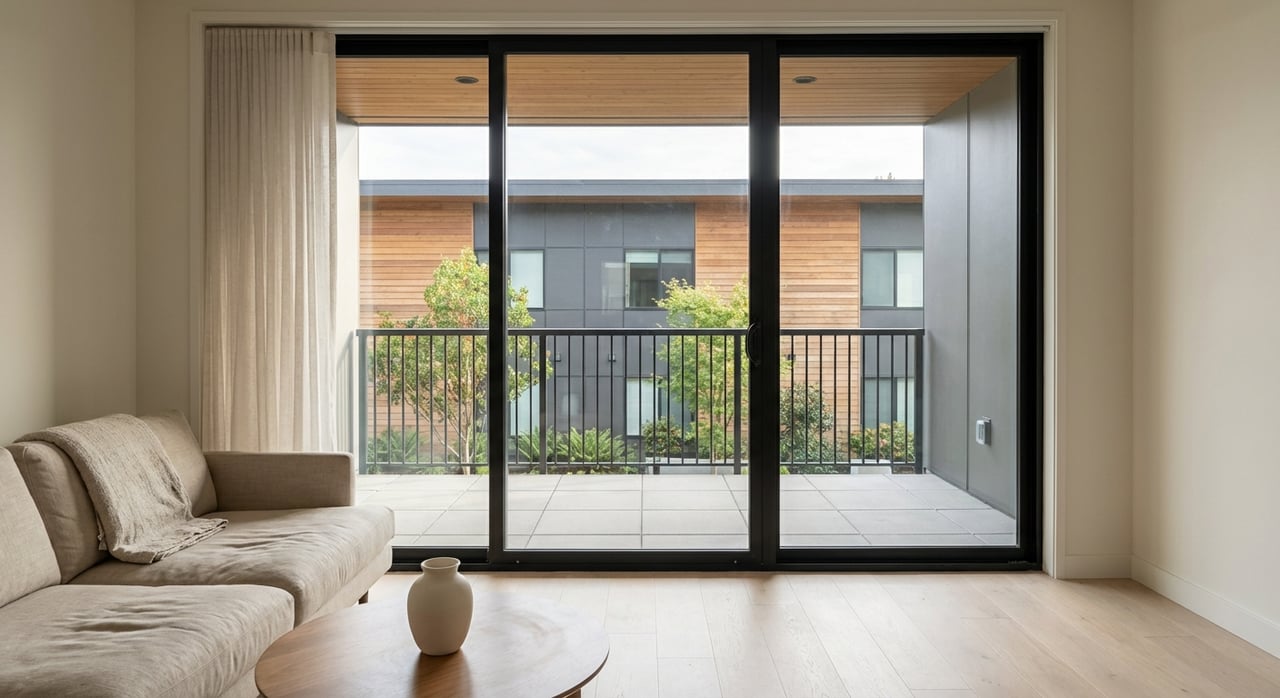
- Lifestyle: low‑maintenance and easy lock‑and‑leave, sometimes with shared amenities that add comfort but can raise monthly fees.
- Example variety: a riverside one‑bed in Courtenay marketed with a low monthly fee shows how compact units can keep costs down. See this Courtenay one‑bed example. For more space, a top‑floor 2‑bed condo on Comox Ave illustrates larger layouts often favored by downsizers.
Townhouses at a glance
- Typical size: about 1,300 to 1,400 sq ft for newer builds in Comox, usually two levels with 2 to 3 bedrooms and more storage.
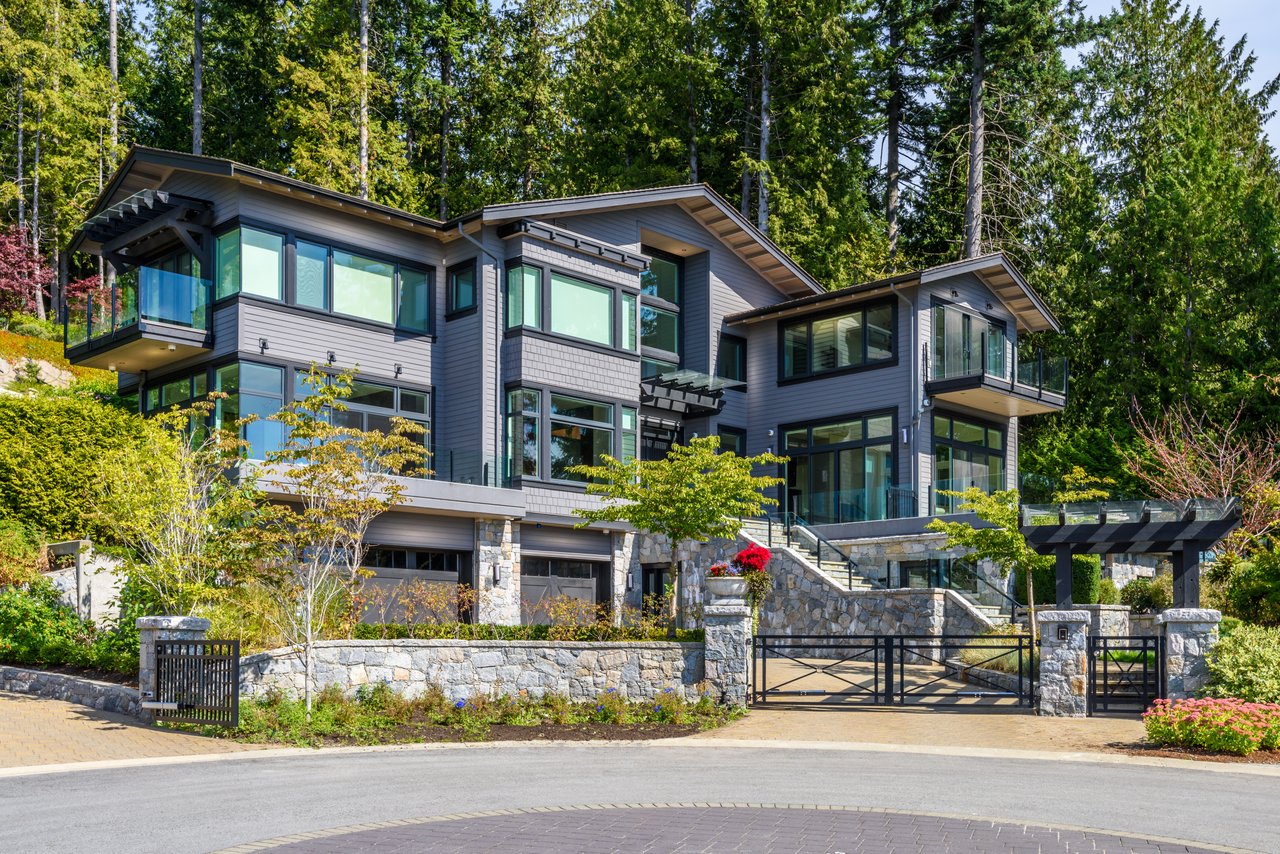
- Lifestyle: more room, private entries, and small patios or yards with lower outdoor upkeep than a detached home.
- Example variety: Aspen Villas townhomes in Comox show newer 3‑bed options with modest launch fees, while adult‑oriented complexes like Eagle Ridge Estates demonstrate how fees vary by services and age.
How strata living works in B.C.
In B.C., most condos and many townhouses are part of a strata corporation, which is made up of all owners. You own your individual unit (your strata lot) and share ownership of common property and assets. About 1.5 million British Columbians live in strata housing, which includes apartments, townhouses, and bare‑land strata subdivisions. Learn the basics on the province’s strata housing page.
Two recent rules matter for buyers:
- The province changed rental and age‑restriction bylaws in late 2022. Under Bill 44, strata corporations can no longer restrict most long‑term rentals, and enforceable age bylaws are limited to 55+.
- Since April 1, 2023, Form B given to buyers must include a summary of the building’s insurance coverage and deductibles. See the province’s Form B and legislation changes page.
Costs and market context in Comox
- Price benchmarks: Board‑wide reports from the Vancouver Island Real Estate Board show apartment‑style condos and townhouses tracking at different price points, with condos often in the low‑to‑mid $400k range and townhouses typically higher in the mid‑$500k range. Check the latest VIREB market report for current numbers.
- Monthly strata fees: Fees cover building operations plus contributions to the contingency reserve fund. Inclusion of utilities, elevators, amenities, and on‑site staff all influence the amount. The province explains what fees fund and why they vary on its budgeting and strata fees page.
- Real examples: A downtown Comox condo marketed to downsizers shows fees posted on the listing, while a smaller Courtenay unit advertised a low monthly fee at time of marketing. Newer Comox townhomes like Aspen Villas displayed more modest launch fees, while an adult‑oriented townhouse complex showed higher monthly association fees. Review details on the Comox Ave condo, Courtenay one‑bed, Aspen Villas, and Eagle Ridge Estates.
Tip: Balance the purchase price with monthly fees. A lower price with higher fees can equal a similar monthly cost as a higher price with lower fees.
Maintenance and insurance: who pays for what
As a rule of thumb, owners maintain their unit interiors, and the strata corporation maintains common property like the building exterior, roof, landscaping, and shared services. Some features are designated limited common property for a specific unit, such as a patio or parking stall, and responsibilities can differ. Always confirm details in the strata plan and bylaws. The province explains common and limited common property here.
For insurance, the strata corporation must carry property and liability coverage for the building’s common property and specified elements. You still need your own contents and betterments coverage for your unit, and you should understand any deductible exposure that may be assigned to owners. Since 2023, the Form B package includes an insurance summary so you can see limits and deductibles. Learn more about strata insurance and recent changes summarized by BCFSA.
Rules that shape daily life: pets, rentals, STRs
- Pets: Strata bylaws may allow, limit, or ban pets, set size limits, and require leashes in common areas. Certified guide and service dogs are protected. Always read the current bylaws and look for any grandfathering clauses. Review the province’s guidance on pet bylaws.
- Long‑term rentals: Under Bill 44, strata corporations cannot restrict most residential rentals. Owners remain responsible for tenants complying with bylaws.
- Short‑term rentals: The provincial Short‑Term Rental Accommodations Act introduced a registry, a principal‑residence rule in many communities, and platform requirements. Municipal licensing may also apply, and strata bylaws can address short‑term use as a business activity. Check both the provincial short‑term rental rules and the specific strata bylaws.
- Disputes and enforcement: Unresolved strata conflicts can proceed to the Civil Resolution Tribunal. You can search for active or past matters to understand a strata’s history. Learn how the CRT works here.
Which fits your life today?
First‑time buyers
- Condos often offer the lowest entry price for an in‑town location, simple upkeep, and easy lock‑and‑leave living. Many are walkable to services and transit. Just weigh monthly strata fees and the building’s reserve planning to protect your budget.
- Townhouses bring more room, a private entry, and small outdoor spaces without the full workload of a detached home. They can cost more than the smallest condos but may suit buyers who need a home office or additional storage. Newer projects like Aspen Villas show what 3‑bed layouts and fees can look like locally.
Downsizers
- Look for single‑level layouts, elevators, and accessibility features. Many units marketed to downsizers appear in 55+ communities, which are still allowed under Bill 44. See the Comox Ave top‑floor condo for the type of spacious unit often favored at this stage.
- Pay close attention to the building’s reserve fund health, insurance deductibles, and upcoming capital projects, since special levies can impact fixed budgets. The province details how the contingency reserve fund works and why stronger funding matters.
Buyer due‑diligence checklist for Comox strata homes
Work with your agent to collect and review these items before writing an offer:
- Form B (Information Certificate) with the required insurance summary. Confirms current fees, special levies, and key data. See the province’s page on legislation and Form B changes.
- Current bylaws and rules, including pet, smoking, parking, and business/short‑term rental rules. Start with the province’s bylaw overview.
- Minutes from the last 12 months of council and AGM meetings. Look for deferred maintenance, repeated bylaw issues, and planned projects. Guidance on documents is here.
- Latest approved budget and recent financial statements, including CRF balance and contribution rate. Learn how budgets and fees work here.
- Depreciation report and timing. Most strata with 5+ lots must obtain reports on a five‑year cycle under strengthened rules. See depreciation report requirements.
- Strata insurance certificate/summary for limits and deductibles. Form B includes a summary, and you can request the full certificate. Review recent changes and the insurance overview.
- Any outstanding legal actions or CRT applications. Learn about the CRT process here.
- Special levy history and upcoming capital projects. The province explains common expenses and levies here.
- If you plan short‑term rentals, confirm the provincial registry and local municipal rules, plus strata bylaws on business use. Start with the provincial short‑term rental legislation and host registration pages.
Watch for red flags
- Very low contingency reserve fund for the building’s age or size.
- Insurance challenges such as large deductible increases or non‑renewal notices.
- Frequent special levies and repeated deferral of major maintenance in minutes.
- Missing or sparse minutes and financials.
- Unresolved Civil Resolution Tribunal cases involving the strata.
Next steps: tour the right options in Comox
If you want low‑maintenance living close to town, a condo might be your fit. If you need more space, storage, and a private entry, a townhouse can deliver that without the yard work of a detached home. Either way, the right call begins with clear budgeting, a look at strata documents, and tours that match your lifestyle.
When you are ready, book a focused Home Hunting Trip in person or virtually. You will get organized tours, document reviews, and negotiation guidance tailored to B.C. strata rules and the Comox market. Start your move with Stevie Cauvier.
FAQs
What does “strata” mean in B.C. real estate?
- In B.C., a strata corporation is made up of all owners who hold their own units and share ownership of common property and assets. Learn more on the province’s strata housing page.
Can I rent out my condo or townhouse in Comox?
- Yes, most long‑term residential rental restrictions are no longer enforceable under Bill 44. You must still ensure tenants follow the strata’s bylaws.
Are short‑term rentals like Airbnb allowed in strata homes?
- Short‑term rentals are regulated by the province’s Short‑Term Rental Accommodations Act, municipal rules, and your strata bylaws. Confirm all three before you buy.
Why do monthly strata fees vary so much between buildings?
- Fees depend on building age, number of units, included utilities, amenities like elevators or gyms, management costs, and how much goes into the contingency reserve fund. The province explains fees here.
Who fixes what in a condo or townhouse complex?
- You typically handle your unit interior, while the strata maintains common property like the exterior and roof. Specifics depend on the strata plan and bylaws, including any limited common property. Details are outlined here.
What documents should I review before making an offer on a strata home?
- Ask for the Form B, bylaws and rules, 12 months of minutes, current budget and financials, the depreciation report, the insurance certificate, and any CRT or legal actions. Start with the province’s guide to buying and selling in a strata.