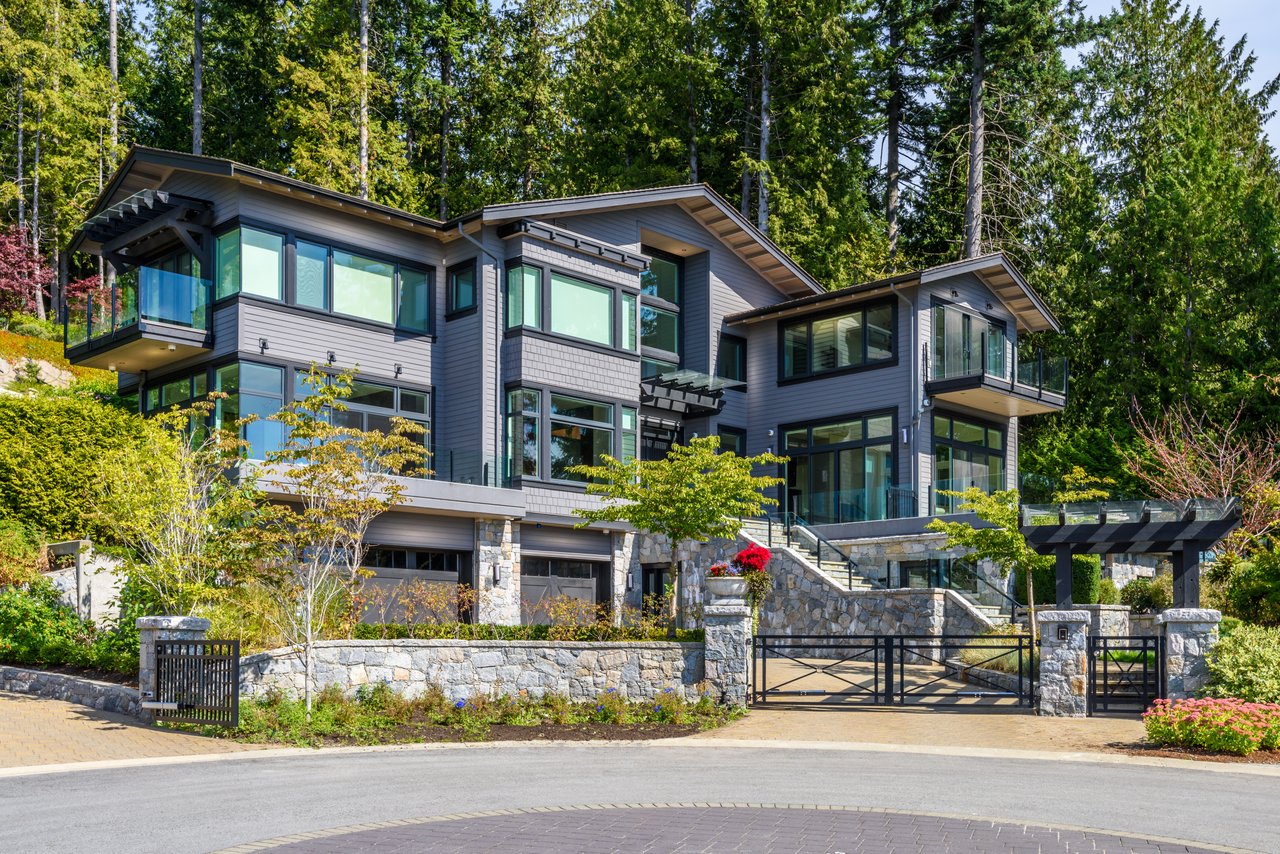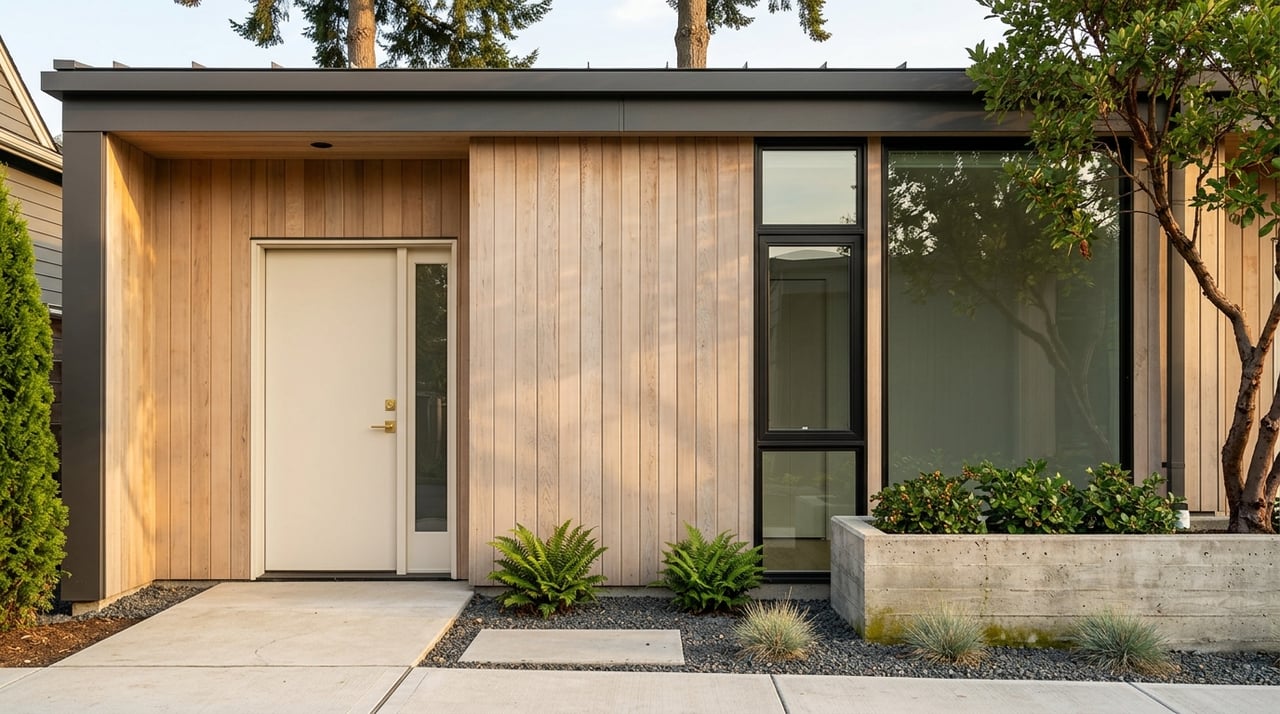
Thinking about leaving behind a larger home for something simpler in Qualicum Beach? You are not alone. In a town where the population skews older, households are smaller, and detached homes still make up most of the housing stock, downsizing is a practical next step for many homeowners. If you want less upkeep, better walkability, or a home that fits your next chapter, this guide will help you compare your main options and understand what matters locally. Let’s dive in.
Why downsizing makes sense here
Qualicum Beach has many of the ingredients that make downsizing feel natural rather than forced. According to the 2021 Census, the town had 9,303 residents, 4,435 occupied private dwellings, an average household size of 2.0, and a median age of 67.5. More than half of residents, 56.3%, were 65 or older, and 86.9% of homes were owner-occupied.
That matters because the local housing mix still leans heavily toward larger detached homes. Single-detached houses made up 79.4% of occupied private dwellings in the census. For many homeowners, that creates a common question: how do you keep the lifestyle you enjoy while reducing maintenance, cost, or physical demands?
The Town of Qualicum Beach is planning for more housing variety as well. Its strategic plan supports housing alternatives for different needs, lifestyles, and income levels, and the town has said it encourages a spectrum of housing choices, including multi-family homes, single-family homes, secondary suites, village lofts, and live/work spaces.
Condos and apartments offer the simplest shift
If your main goal is to cut down on maintenance, condos and apartments are usually the clearest downsizing path. You trade yard work, more exterior upkeep, and often some utility burden for a more compact footprint and a simpler day-to-day routine.
For many buyers, the financial side is part of the appeal too. In March 2026, VIREB reported a benchmark price of $390,000 for apartments board-wide, compared with $537,000 for townhouses and $780,500 for single-family homes. The Parksville-Qualicum benchmark was $908,800, which helps show why smaller housing forms can attract downsizers looking to free up equity or lower monthly carrying costs.
The biggest gain is convenience. A smaller space can mean fewer stairs, less cleaning, and less time spent on home maintenance. If you want a lock-and-leave lifestyle for travel or seasonal flexibility, this option often fits well.
The trade-off is space and control. You may have less storage, less outdoor area, and strata rules that affect renovations, pets, or parking. If you are used to a detached home, that change in privacy and autonomy can feel significant.
Best fit for condo living
A condo or apartment may suit you if you want:
- Minimal exterior maintenance
- A lower entry point than a detached home
- A more walkable, car-light routine
- Less space to furnish, heat, and manage
- A simpler home base for travel or retirement
Townhomes balance space and simplicity
Townhomes and row-house style homes often sit in the middle. They usually give you more space than an apartment, with a more traditional home feel, but less upkeep than a larger detached property.
This middle-ground option makes sense in Qualicum Beach, where compact ownership forms remain a smaller share of the housing stock but align with the town’s housing direction. In response to Bill 44, the town updated zoning so up to four dwelling units per parcel are permitted within the Urban Containment Boundary. It also updated default zones and added interim residential design guidelines intended to protect neighbourhood character.
For you, that means the local planning framework is making room for more varied housing over time. While supply may still be limited compared with detached homes, townhome-style living fits the broader push toward more compact choices.
What you gain with a townhome
Townhomes can work well if you want:
- More interior space than a condo
- Less yard work than a detached home
- Easier main-floor living, depending on layout
- Some separation from neighbors compared with an apartment
- A more manageable transition from a larger house
What to watch for with a townhome
Before you buy, think carefully about:
- Stair use in multi-level layouts
- Monthly strata fees
- Garage and storage needs
- Guest parking
- Renovation or exterior-change rules
Smaller detached homes keep independence
Not everyone wants strata living. In Qualicum Beach, that matters because detached homes are still the dominant housing type, and many downsizers still want a yard, privacy, storage, or room for hobbies and visiting family.
A smaller detached home can be a strong compromise. You may still reduce cleaning, landscaping, and repair demands compared with a larger property, while keeping the independence that comes with detached ownership.
This option can also support aging in place. The town’s housing policy includes secondary suites as part of its preferred housing spectrum, which makes suite-enabled homes worth considering if you want flexibility for family, caregivers, or future cost-sharing.
That does not mean every smaller detached home will feel low-maintenance. Lot size, roof age, exterior materials, landscaping, and slope can all affect how much work the property still requires. The key is not just buying smaller, but buying smarter.
Good questions to ask about a smaller detached home
When comparing homes, look at:
- Lot size and landscaping demands
- Main-floor bedroom and bathroom access
- Age and condition of roof, windows, and systems
- Storage for hobbies, tools, or seasonal items
- Whether the home already has a suite or flexible layout
Purpose-built rental and seniors housing also matter
Owning is not the only downsizing path. For some people, a purpose-built rental or seniors-focused housing option can be the right move, especially if the goal is predictability, accessibility, or reducing maintenance to near zero.
Qualicum Beach has examples of this type of smaller-unit housing. The town says the 2015 Kiwanis Housing Village added 34 affordable units, and the 2023 to 2025 Residences at Qualicum Station created a 56-unit multi-residential project. For Kiwanis housing, applicants can use the BC Housing Registry.
The town’s WAAMH project also identifies seniors over 75 and people with accessibility needs as priority groups. That is useful context if you are planning several years ahead and want to understand what kinds of housing solutions the community is actively studying and supporting.
Walkability can change your daily routine
A successful downsizing move is not only about square footage. It is also about how you live once you get there. In Qualicum Beach, walkability is a meaningful part of the appeal.
The town’s strategic plan describes Qualicum Beach as a coastal village with small-town character, walkability, and year-round recreation. Its Community Transportation Plan covers sidewalks, crossings, cycling paths, traffic speeds, public transit, and nature trails. The waterfront walkway project also created a continuous public walkway along the shoreline.
If your goal is a more car-light lifestyle, homes closer to the village core or connected pedestrian routes may deserve extra attention. Being able to walk more often can reduce driving, simplify errands, and make a smaller home feel more practical.
Walkability features to prioritize
If walkability matters to you, focus on homes with:
- Easier access to the village core
- Sidewalk and crossing connections nearby
- Proximity to trails or the waterfront walkway
- Less dependence on steep or isolated access routes
- A floor plan that supports aging in place inside the home too
Shoreline homes need extra due diligence
Shoreline-adjacent homes can be very appealing, but they come with planning and risk questions that downsizers should understand clearly. If you are moving into a home that you want to keep for many years, local resilience and permit rules matter.
The town’s Waterfront Master Plan says Qualicum Beach is adapting to climate change and sea-level rise through precautionary planning. Its Green Shores work addresses shoreline erosion, sea-level rise, and climate adaptation, and the Beach Creek estuary project was built to help protect the foreshore from rising sea levels and extreme weather.
That does not mean shoreline property is off the table. It means you should take a close look at location-specific conditions, future maintenance exposure, and any limitations that could affect renovations or additions later.
Development permits can affect future changes
This is one of the most important local details for downsizers to know. In some parts of Qualicum Beach, development permits may apply to certain construction, additions, alterations, or work near environmentally sensitive or hazard-prone areas.
The town says development permits apply in areas such as DP Area M1 Village Neighbourhood, DP Area E1 Beach Area, and DP Area H1 Hazardous Lands. These permits can apply to work near flood-prone or steep-slope areas, among other situations. The town also notes that a development permit does not change a property’s zoning use or density.
For you, the takeaway is simple: if you expect to renovate, expand, build a suite, or significantly alter the property later, check permit implications early. This step can prevent surprises after you buy.
Budget planning starts with the right ladder
When you compare downsizing options, it helps to think in tiers. Based on March 2026 VIREB benchmark pricing, apartments were the lowest-price entry point at $390,000, townhouses sat in the middle at $537,000, and single-family homes were higher at $780,500 board-wide.
In practical terms, that creates a useful ladder for Qualicum Beach buyers. Condos and apartments usually offer the lowest-cost move, townhomes provide a middle step with more space, and smaller detached homes often sit at the upper end, especially in walkable or shoreline-adjacent locations.
This planning lens also lines up with the town’s longer-term housing outlook. Qualicum Beach’s 2024 Interim Housing Needs Report projects demand for 726 units over five years and 2,435 over 20 years. Of that 20-year need, about 44% is for 0/1-bedroom and 2-bedroom homes, which supports the idea that compact housing is not a niche segment here.
How to choose the right downsizing path
The best downsizing option depends on what you are really trying to solve. For some homeowners, the priority is cutting maintenance. For others, it is preserving independence, staying walkable, planning for future support, or unlocking equity.
A simple way to narrow it down is to rank your top three goals before you start touring homes. For example, you may care most about one-level living, low monthly costs, and being near the village. Or you may value privacy, storage, and suite flexibility more than walkability.
When your priorities are clear, the right housing type usually becomes easier to spot. That is especially true in a market like Qualicum Beach, where detached homes dominate but more compact options are becoming an increasingly important part of the housing mix.
If you are weighing a move to Qualicum Beach and want help comparing condos, townhomes, smaller detached homes, or properties with future flexibility, Stevie Cauvier can help you sort through the trade-offs with clear, practical guidance.
FAQs
What are the main downsizing housing options in Qualicum Beach?
- The main options are condos or apartments, townhomes or row-house style homes, smaller detached homes, and some purpose-built rental or seniors-focused housing.
What is the most affordable downsizing option in Qualicum Beach?
- Based on March 2026 VIREB benchmark pricing, apartments had the lowest entry point at $390,000, followed by townhouses at $537,000 and single-family homes at $780,500 board-wide.
What should downsizers know about walkability in Qualicum Beach?
- The town highlights walkability, trails, sidewalks, crossings, cycling paths, transit, and a continuous waterfront walkway, so location can make a big difference if you want a car-light lifestyle.
What should buyers know about shoreline and hazard areas in Qualicum Beach?
- Buyers should understand that shoreline and hazard-prone areas may involve climate resilience considerations and development-permit requirements, especially near the beach, flood-prone land, or steep slopes.
Can a smaller detached home still work for aging in place in Qualicum Beach?
- Yes, especially if the layout supports main-floor living or the property has suite potential, since the town includes secondary suites within its preferred housing spectrum.
Why is compact housing becoming more important in Qualicum Beach?
- The town’s 2024 Interim Housing Needs Report projects significant demand for smaller homes over the next 20 years, including strong need for one-bedroom and two-bedroom units.