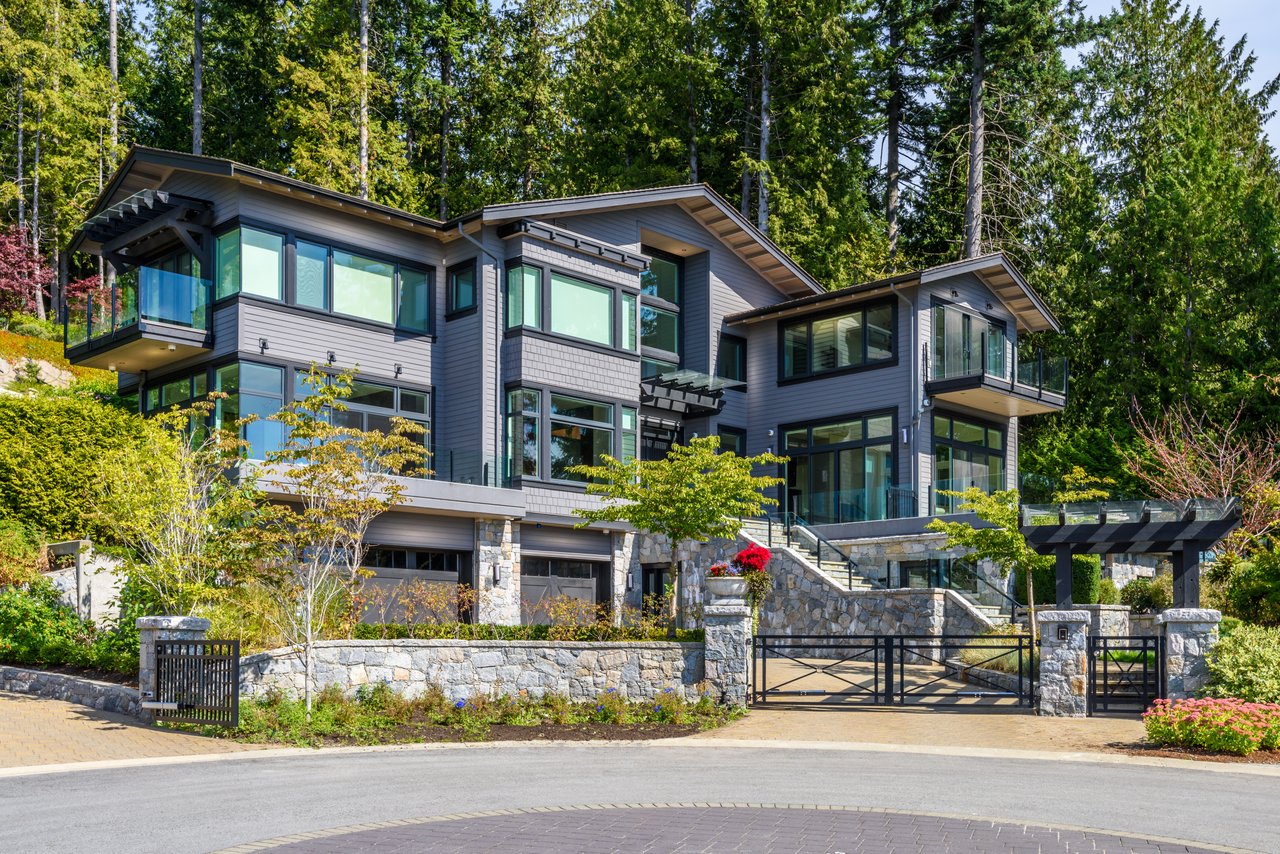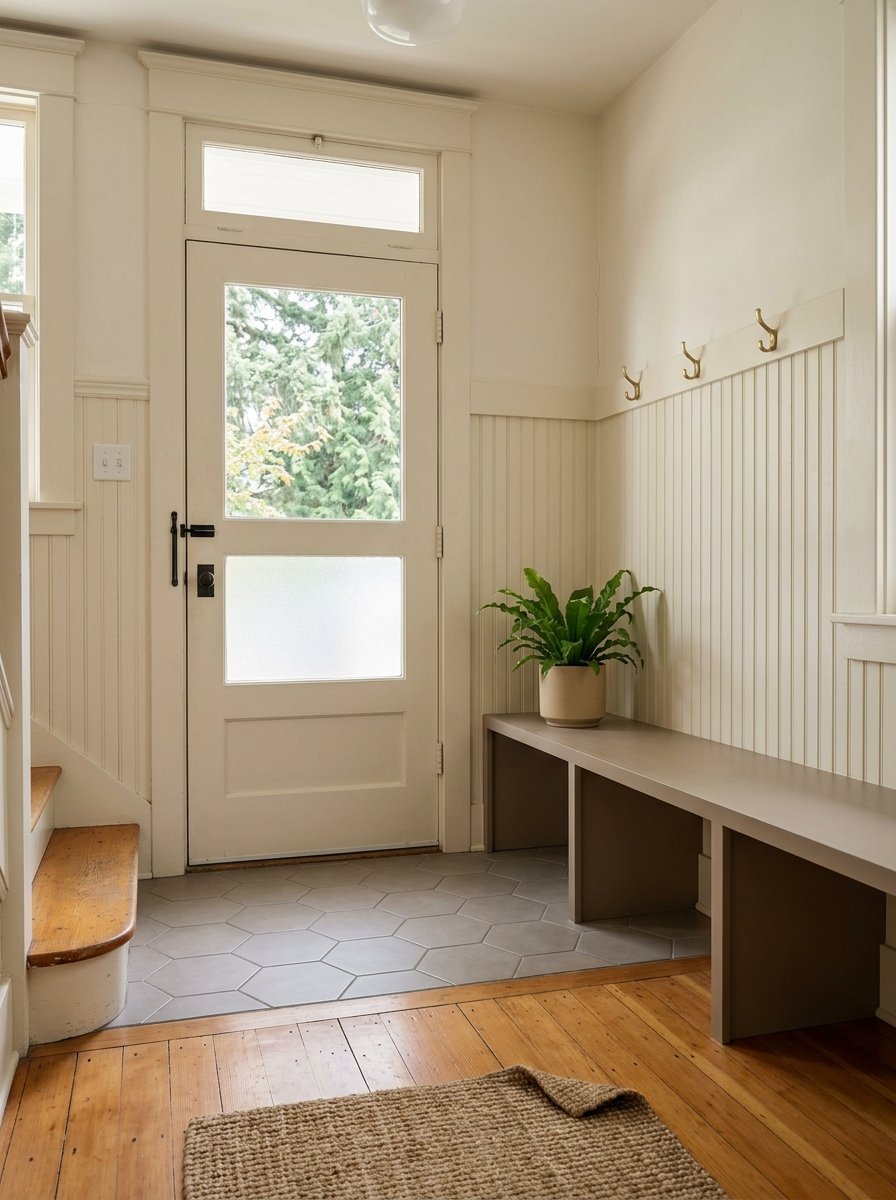
Wondering whether Cumberland’s heritage charm is worth the trade-offs, or if a newer build will make life simpler? You are not alone. Many buyers in Cumberland find themselves choosing between character, location, and renovation potential on one side, and newer systems, warranty coverage, and fewer surprises on the other. This guide will help you compare both paths with more confidence so you can focus on the home that fits your goals. Let’s dive in.
Why This Choice Matters in Cumberland
Cumberland is a place where older homes and newer construction both play an important role in the market. According to the Village of Cumberland’s 2024 Housing Needs Report, 65% of occupied dwellings in 2021 were single-detached homes, and the majority of dwellings were built before 1960.
At the same time, the same report points to a noticeable wave of newer development. Cumberland saw population growth of 18% between the 2016 and 2021 censuses, along with a substantial rise in permitted units from 2017 to 2022. In other words, if you are house hunting here, comparing a heritage-style home with a newer build is a very real and common decision.
Cumberland’s Heritage Core Explained
In Cumberland, “older home” and “heritage property” do not always mean the same thing. The Village’s downtown and Historic Village Commercial Core sit within an official Heritage Conservation Area, and that status can affect what changes are allowed.
If a property is inside that area, certain work may require a Heritage Alteration Permit before it moves forward. The Village says that can include new construction, alterations, land subdivision, and demolition. Some smaller updates may be handled through minor permits, including certain fences, signs, accessory buildings, and some window or door replacements that do not affect character-defining elements.
There is another layer buyers should understand. A property being listed on Cumberland’s Community Heritage Register means it has recognized heritage value, but the Village says that listing alone does not give it authority to stop redevelopment or demolition. The Register is also selective and currently includes 13 properties.
What Heritage Charm Can Offer
A heritage or older home in Cumberland often offers the kind of character that newer homes may not replicate in the same way. You may be drawn to the established streetscape, original details, or the connection to Cumberland’s historic core around Dunsmuir Avenue and the village’s coal-mining past.
For many buyers, that appeal is emotional as much as practical. If you want a home with personality and you enjoy the idea of thoughtful updates over time, an older property may feel like the right fit. Cumberland’s housing stock supports that choice because older homes are a normal and significant part of the local market.
Where Heritage Homes Need More Caution
The trade-off is usually flexibility and maintenance uncertainty. If the home is in the Heritage Conservation Area, exterior changes and redevelopment plans may be more constrained than they would be elsewhere in the village.
That matters if you are already imagining a major addition, a dramatic exterior redesign, or redevelopment down the road. Before you fall in love with the look of a home, it helps to find out whether the property is in the HVCC/HCA, on the Community Heritage Register, or neither. That one detail can shape your renovation plans more than buyers first expect.
Older homes can also bring more unknowns when it comes to systems and condition. CMHC advises buyers to pay close attention to roof condition, brickwork and chimneys, decks and porches for rot, electrical panels, furnace age, insulation, plumbing, sewage and drains, and windows.
A few of those items can have a big budget impact. CMHC notes that roofs are usually good for about 20 to 25 years, and older plaster walls may have little or no insulation. That does not mean an older home is a poor choice, but it does mean inspection diligence matters.
Health And Renovation Considerations
If you are buying an older home with plans to renovate, there are a few extra questions worth asking early. Health Canada says lead-based paint can be a serious hazard when it is chipping or flaking, or when it is within reach of children.
Asbestos is another issue that can affect renovation plans in older housing stock. Health Canada says asbestos may still be found in materials such as siding, plaster, floor and ceiling tiles, roofing products, paint, caulking, and insulation. If the home was built before 1990, ask what is known about these materials before you budget your updates.
What A New Build Can Offer
A newer home often appeals to buyers who want more predictability. Newer systems, newer materials, and less near-term capital work can make ownership feel simpler, especially if you are relocating, managing a busy family schedule, or trying to avoid major projects right after move-in.
In Cumberland, that can be especially appealing for out-of-area buyers who want a smoother transition. The Village’s current Official Community Plan identifies areas for new residential growth, which reflects the fact that newer inventory is part of Cumberland’s evolving housing mix.
A new build may also offer more freedom from heritage-process hurdles if it is outside the historic core. If your priority is a more straightforward path for exterior changes or future updates, that can be a meaningful advantage.
What “New” Does Not Guarantee
It is easy to assume that a new home means no maintenance and no risk. In British Columbia, that is not quite how it works.
BC Housing says home warranty insurance covers specific defects, not cosmetic issues, personal preferences, or every contractual expectation. It also notes that items such as landscaping, roads, curbs, lanes, site grading, and surface drainage may be excluded.
That is why it is still important to review the warranty details carefully. BC’s mandatory 2-5-10 warranty program covers 2 years on materials and labour, 5 years on the building envelope, and 10 years on structural defects. BC Housing also says the 24-month portion includes major systems such as electrical, plumbing, heating, ventilation, and air conditioning, along with exterior cladding, windows, and doors.
Why Inspections Still Matter On New Homes
Even with warranty coverage, a pre-purchase inspection still has value. BC Housing says a good inspection can help identify defects, damage, or unsafe conditions before closing.
That matters because warranty and inspection are not the same thing. A warranty may help after the fact for certain covered defects, while an inspection helps you understand the home’s condition before you commit. If you are buying new, ask for the builder licence details, the warranty booklet or policy, and a written explanation of exclusions.
Heritage Vs. New Build At A Glance
| Factor | Heritage or Older Home | New Build |
|---|---|---|
| Character | Often strong original character and historic setting | Usually more contemporary design and finishes |
| Flexibility | May face heritage permit requirements for some exterior changes | Often fewer heritage-related constraints |
| Maintenance | More condition unknowns and possible near-term updates | Typically more predictable systems early on |
| Inspection Focus | Roof, plumbing, panel, insulation, windows, drains, moisture history | Defects, damage, unsafe conditions, warranty details |
| Renovation Planning | May involve permit review and older-material concerns | Usually simpler, but still review exclusions and quality |
| Buyer Fit | Good for buyers who value character and can plan for upkeep | Good for buyers who want simplicity and lower early surprise risk |
Questions To Ask At Showings
If you are comparing homes in Cumberland, these questions can help you make a smarter decision:
- Is the property in the HVCC/HCA, on the Community Heritage Register, or neither?
- If it is in the heritage area, what work has already received Heritage Alteration Permit approval?
- Would planned exterior changes, additions, demolition, or subdivision require a new permit?
- What is the age of the roof, and has the electrical panel been upgraded?
- What type of plumbing is in the home, and what is known about insulation?
- Is there any known moisture history?
- If the home was built before 1990, is there any known asbestos-containing material or lead-based paint?
- For a new home, is the builder licensed and is warranty coverage confirmed in writing?
- What exclusions are listed in the warranty policy?
Which Option Fits Your Life Best?
There is no universal winner in Cumberland. The better choice depends on how you want to live, how much flexibility you need, and how comfortable you are with maintenance, permits, and renovation decisions.
If you love character, appreciate historic streetscapes, and are comfortable doing careful due diligence, a heritage or older home may be deeply rewarding. If you want a home that feels more predictable from day one, with newer systems and warranty coverage, a new build may suit your lifestyle better.
For many buyers, the key is not choosing the “best” category. It is choosing the right fit for your timeline, your budget, and your tolerance for future projects. In a market like Cumberland, having a local guide who can help you compare permit considerations, inspection findings, and long-term trade-offs can make the whole process feel much clearer.
If you are weighing heritage charm against new-build convenience in Cumberland, Stevie Cauvier can help you compare the details, spot the trade-offs, and move forward with confidence.
FAQs
What makes a Cumberland home part of the heritage area?
- A home may be within Cumberland’s Heritage Conservation Area, including the Historic Village Commercial Core, where certain changes such as alterations, new construction, subdivision, or demolition may require a Heritage Alteration Permit.
Does being on Cumberland’s Community Heritage Register stop redevelopment?
- No. The Village says the Community Heritage Register recognizes heritage value, but by itself it does not give the Village authority to prevent redevelopment or demolition.
What should you inspect first in an older Cumberland home?
- Key items include the roof, electrical panel, plumbing, insulation, windows, furnace age, decks and porches, brickwork and chimneys, and sewage or drainage systems.
What warranty coverage comes with a new home in British Columbia?
- BC’s mandatory 2-5-10 warranty includes 2 years for materials and labour, 5 years for the building envelope, and 10 years for structural defects.
Should you still get an inspection on a new build in Cumberland?
- Yes. A pre-purchase inspection can still help identify defects, damage, or unsafe conditions before closing, even when warranty coverage exists.
What older-home materials can affect renovation plans in Cumberland?
- In homes built before 1990, buyers should ask about possible asbestos-containing materials and lead-based paint, since both can affect renovation scope and safety planning.