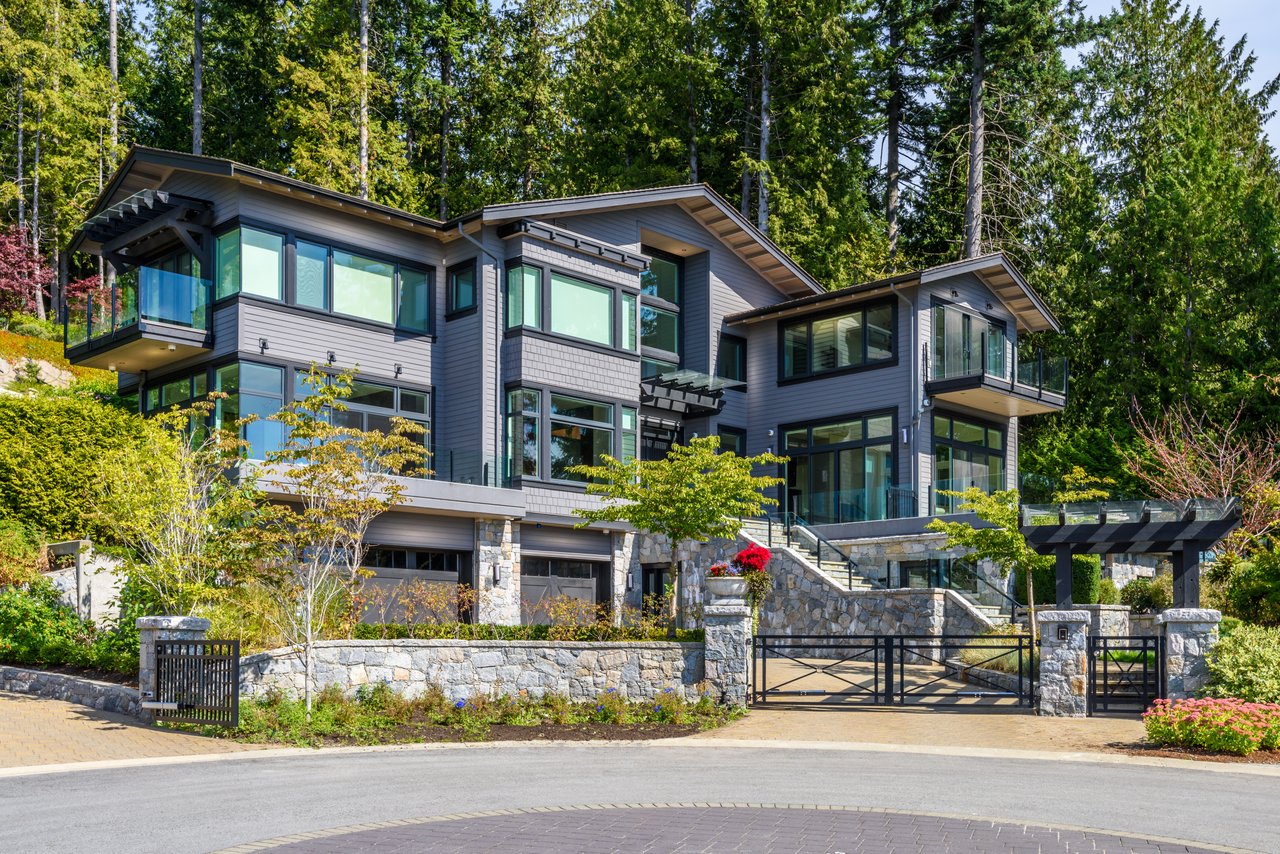
Imagine stepping onto smooth sand with your morning coffee while the tide rolls in. Buying waterfront in Qualicum Beach can deliver that dream, but it comes with extra rules, reports, and risks you do not face inland. If you understand the local permits, coastal hazards, and insurance details, you can buy with confidence. This guide gives you clear steps, trusted local sources, and a smart plan for V9K waterfront. Let’s dive in.
Why Qualicum Beach waterfront is unique
Qualicum Beach treats its shoreline as a protected area. The Town’s Waterfront Master Plan favors softer shoreline approaches and highlights vulnerable stretches along the coast. You can review the Town’s policy direction and maps on the Waterfront Master Plan page to understand how a specific beach segment is managed (Town Waterfront Master Plan).
Local flood and coastal hazard mapping are also in place. The Regional District of Nanaimo’s mapping for the Little Qualicum River delta and adjacent shoreline includes sea level rise in its approach and adds freeboard. Use the official maps, not anecdotes, to see how a lot sits relative to coastal flood hazards (RDN regulatory flood mapping).
Understand the rules before you shop
Development Permit Areas and soft shorelines
Waterfront parcels often fall within Marine Shoreline or Hazardous Lands Development Permit Areas under the Official Community Plan. New construction and shoreline work commonly need a Development Permit, and the Town may require professional reports like geotechnical or environmental assessments. Start by confirming DPA designations for any lot you are considering (OCP DPA schedules). You can also review the Town’s Development Permit guidance for application steps (Development Permit guidance).
Sea level rise and FCL basics
British Columbia’s guidance requires sea level rise to be factored into coastal setbacks and Flood Construction Levels. Professional standards outline how to assess flood and geohazard risk and what reports must include. Expect authorities to request qualified reports for shoreline works or new builds near the water (EGBC flood assessment guidelines). Local RDN mapping already uses conservative sea level allowances in places (RDN regulatory flood mapping).
Crown foreshore and private moorage
Owning upland does not grant automatic rights to the beach below the natural boundary. Much of the foreshore and seabed is provincial Crown land. Docks or other permanent structures seaward of the natural boundary usually require provincial tenure through FrontCounterBC. Build this requirement into your plans and budget if moorage is important to you (Crown foreshore tenure overview).
Federal habitat and riparian rules
Any work in or near the water that could affect fish habitat may require a Federal review and possibly an authorization. This includes shore protection, docks, or foreshore infill. Start with the federal “Projects Near Water” process so you know what path applies to your project (DFO Projects Near Water). If your lot includes or borders a stream or estuary, a riparian assessment by a Qualified Environmental Professional may also be required under provincial rules (Riparian Areas Protection Regulation).
Know your shoreline type
Not all oceanfront is the same. Walk-on beaches, sea bluffs, and delta edges behave differently and carry different risks. Walk-on beach parcels tend to face seasonal sand shifts and storm overwash. Bluff properties focus more on slope stability and erosion retreat. Use the Town’s maps to understand the shoreline character where you plan to buy, then get site-specific advice before you commit (Town Waterfront Master Plan).
Critical inspections and reports
Geotechnical and slope stability
If a home sits on or near a bluff or in a designated hazard area, a geotechnical hazard assessment is likely required. Reports must meet provincial and professional standards. Budget for the assessment and, if requested by the authority, a peer review (EGBC flood assessment guidelines).
Flood hazard and FCL confirmation
Flood Construction Levels account for tides, storm surge, wave run-up, and sea level rise. Where mapping shows potential coastal flood exposure, commission a site-specific flood assessment to establish a safe building elevation and to keep lenders and insurers comfortable. Local mapping in the RDN uses conservative sea level allowances in its calculations, which is why a site-specific review is so valuable for your exact lot elevation (RDN regulatory flood mapping).
Environmental and riparian assessments
If your project touches eelgrass, tidal flats, or other sensitive habitat, expect federal review and mitigation conditions. Many approvals now prefer “soft” approaches, like vegetation and beach nourishment, where feasible. Where streams or estuaries are present, a riparian assessment by a Qualified Environmental Professional helps set required setbacks and protection measures (DFO Projects Near Water; Riparian Areas Protection Regulation).
Septic systems and servicing
Some waterfront homes outside municipal sewer rely on onsite sewage. Shoreline sites can have higher groundwater and tight space for fields, which can limit replacement options. Request a full septic inspection and a site investigation by an appropriate designer to confirm capacity and potential upgrades under the provincial Sewerage System Regulation (Onsite sewage guidance).
Insurance and lender expectations
Flood-related coverage varies by insurer and is not always standard. Overland flood and sewer backup may need separate endorsements, and pricing is increasingly risk-based. Get written insurance quotes early, and make sure they address overland flood and water perils for your address and elevation (IBC flooding and insurance).
Costs, value, and resale
Waterfront usually commands an amenity premium for views and access. The size of that premium depends on shoreline stability, legal encumbrances, and measured coastal risk. Ongoing costs can be higher than inland properties, including maintenance of shoreline works, periodic nourishment, and inspections. The Town’s Waterfront Master Plan discusses adaptation realities that are worth factoring into your long-term plan and budget (Town Waterfront Master Plan).
Step-by-step buyer checklist for V9K waterfront
Pre-offer screening
- Confirm zoning and Development Permit Area designations with the Town. Ask if the lot is within Marine Shoreline or Hazardous Lands DPAs (OCP DPA schedules).
- Pull local coastal and flood maps for the property. Note mapped flood elevations and any undefined coastal hazard overlays (RDN regulatory flood mapping).
- Ask the seller for existing geotechnical reports, past shoreline permits, foreshore tenure documents for any dock, and any insurance claim history.
Post-offer conditions
- Geotechnical hazard assessment if there is any bluff or slope risk. Ensure the report meets provincial professional standards (EGBC flood assessment guidelines).
- Flood hazard assessment and written Flood Construction Level confirmation if the home or building area is near mapped coastal flood levels.
- Riparian assessment by a Qualified Environmental Professional where streams or estuaries may be present (Riparian Areas Protection Regulation).
- Title search for covenants, statutory rights of way, or agreements tied to shoreline access or public walkways. Review the Town’s waterfront program context for awareness (Town Waterfront Master Plan).
- Confirm provincial foreshore tenure for any dock or moorage. If none exists, plan for an application through the provincial process and note that approval is not guaranteed (Crown foreshore tenure overview).
- Obtain written insurance pre-approval or firm quotes that show what overland flood and water-peril coverage is available and at what price (IBC flooding and insurance).
- Septic inspection and, if needed, a design review to confirm space and soils for a replacement field compliant with provincial rules (Onsite sewage guidance).
How a local advisor helps
A local advisor can simplify complex steps and protect your interests. You can get help sourcing DPA maps and the Waterfront Master Plan for your specific lot, pulling the correct RDN coastal flood maps, and coordinating qualified professionals so reports meet provincial expectations. A hands-on agent can also confirm foreshore tenures, flag federal referral needs, and help you secure insurer pre-quotes while compiling waterfront comparables. If you want a calm, organized path from shortlist to shore, reach out to Stevie.
Ready to plan your V9K waterfront purchase with confidence? Connect with Stevie Cauvier for buyer representation, relocation-ready support, and a clear due diligence plan.
FAQs
Can I build a seawall or dock if I own the upland parcel in Qualicum Beach?
- No. Most foreshore and seabed is provincial Crown land, so docks or shore works typically need provincial tenure and may also need federal review. The Town also favors softer shoreline approaches under its Marine Shoreline policies (Crown foreshore tenure overview; DFO Projects Near Water; Town Waterfront Master Plan).
How risky are erosion and sea level rise on V9K waterfront?
- Risk varies by shoreline segment. The Town’s plans and RDN mapping identify more vulnerable stretches and use conservative sea level allowances; a site-specific geotechnical or coastal assessment is the right way to understand your exact lot (Town Waterfront Master Plan; RDN regulatory flood mapping).
Will my lender or insurer approve a waterfront home in Qualicum Beach?
- Lenders and insurers review properties case by case. Homes in mapped flood areas or with past water damage may need mitigation like raised FCLs or engineered works, and insurance may be priced accordingly. Get firm insurance quotes early (IBC flooding and insurance).
Do I need a septic inspection for a V9K waterfront home?
- Yes, if the home uses onsite sewage. Shoreline conditions can limit field siting or replacement, so a full inspection and an assessment by an appropriate designer are smart steps under the provincial Sewerage System Regulation (Onsite sewage guidance).
What is a Flood Construction Level and why does it matter for oceanfront lots?
- The FCL is the minimum elevation for building to reduce flood risk. It factors in tides, storm surge, wave run-up, and sea level rise. A site-specific assessment can confirm the right FCL for your lot and help satisfy permits, lenders, and insurers (EGBC flood assessment guidelines).