Posted to 19 Wing Comox and trying to figure out where to live, how fast to move, and what your BGRS benefits actually cover? You are not alone. A new posting is exciting, but the logistics and timelines can feel intense. In this guide you will get a clear view of commute times, market norms, rental expectations, and a practical, BGRS-aligned plan to make your House Hunting Trip count. Let’s dive in.
Quick orientation: 19 Wing and the valley
19 Wing Comox is part of the Royal Canadian Air Force and supports maritime patrol, search and rescue, and training units. You can learn more about the wing on the official RCAF page for 19 Wing Comox.
The airfield at CFB Comox sits just north of the Town of Comox, which makes Comox the shortest typical commute to base. Nearby Courtenay and Cumberland are common housing options if you want more inventory or different price points. The published airfield location is about 4.6 km north-northeast of Comox town, which is why you will often hear Comox described as the closest base-adjacent market.
Commute times at a glance
Use these quick estimates when you compare addresses. Always confirm with your own mapping from a specific property.
- Comox to 19 Wing: very short drives from most neighbourhoods.
- Courtenay to Comox: roughly 5 km, often 8 to 20 minutes depending on start point and traffic.
- Cumberland to Comox: roughly 14 km, often 15 to 25 minutes depending on conditions.
What to expect in the housing market
The Comox Valley is a mid-range Vancouver Island market with prices that shift seasonally and month to month. Recent local reporting has placed typical single-family pricing in the high 700s to mid 900s depending on the data source and month. Townhomes and condos are usually more affordable. Inventory often opens up in spring, and well-priced, move-in-ready homes in good micro-markets can still move quickly.
Rentals and vacancy
As of February 2026, Zumper reported a median rent around 2,100 per month in Comox. One-bedroom apartments often show in the 1,600 to 1,900 range, while many two-bedrooms land around 2,000 to 2,300. Detached houses for rent usually cost more than apartments.
Historically, vacancy across the North Island region has been tight, with periods under about 1 to 1.5 percent in past years. Province-wide vacancy has loosened at times, but local conditions can differ. If you plan to rent first, start early and expect competition for family-sized homes.
Common home types and areas
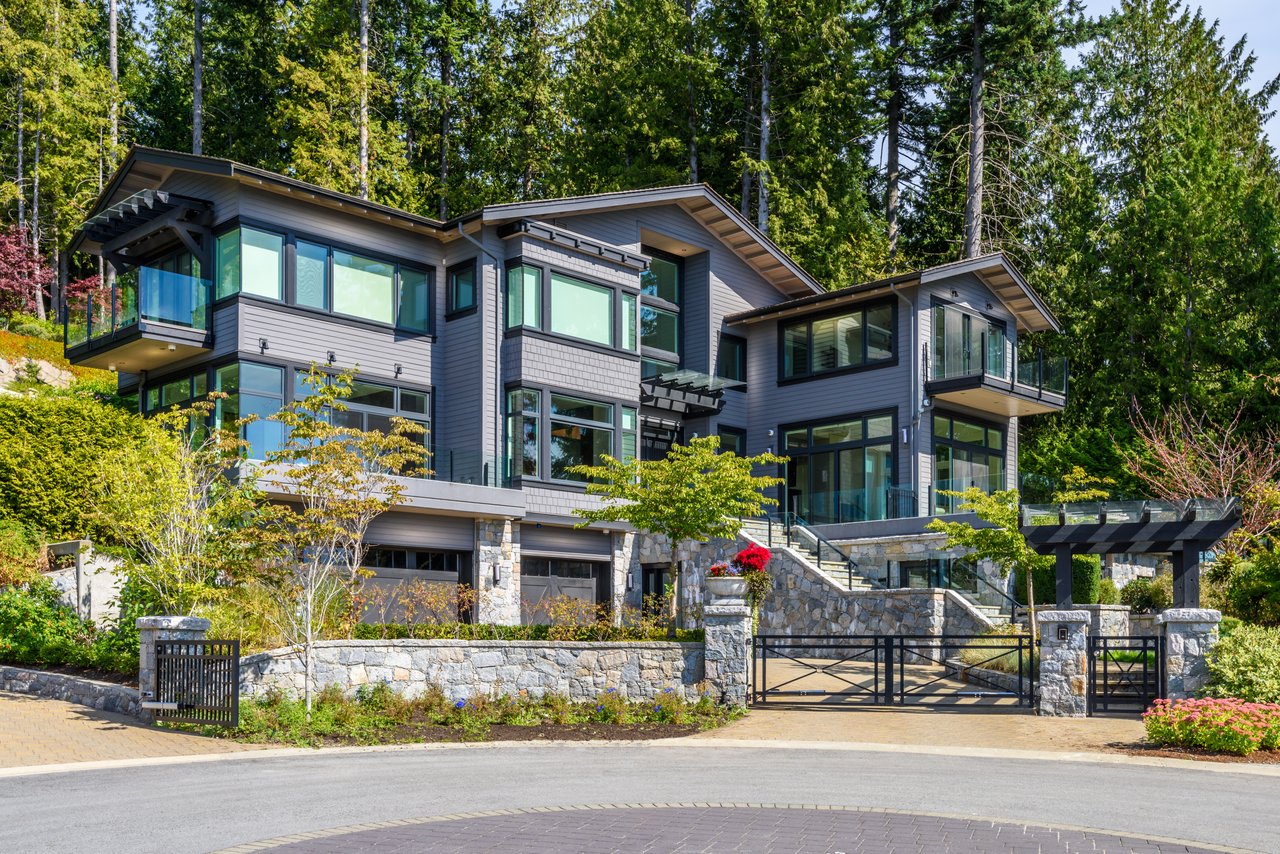
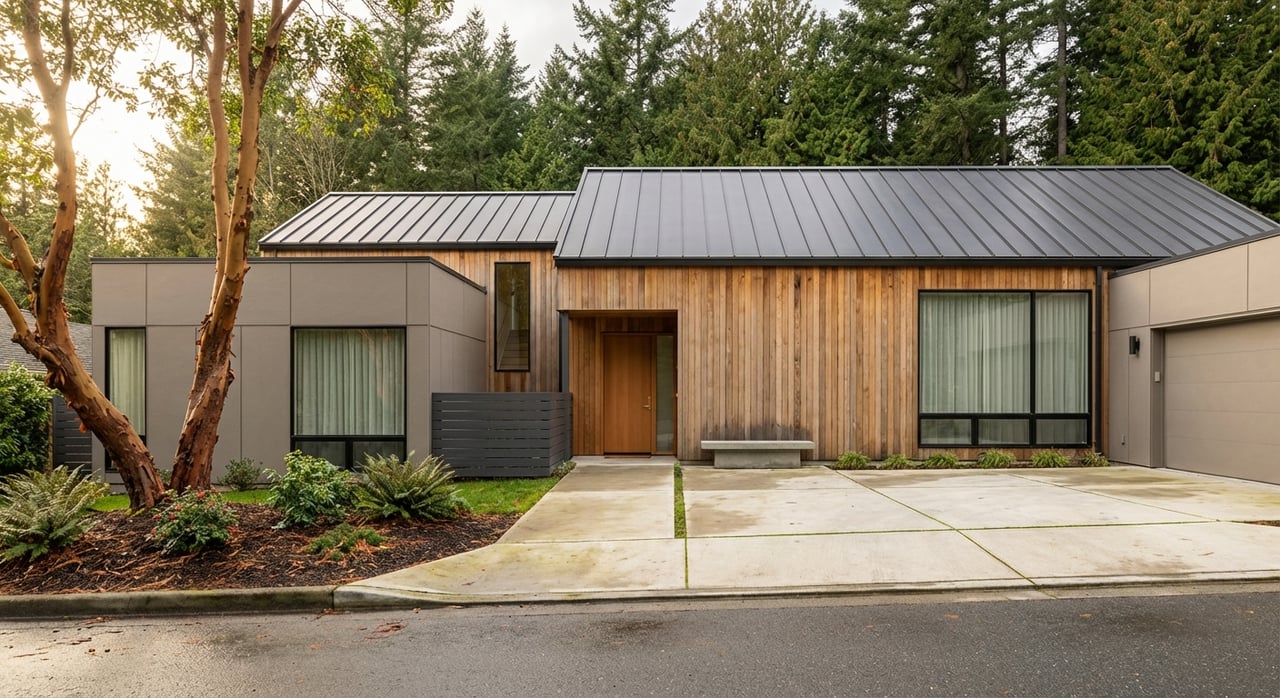
Single-family homes are the main draw for posted families, with fewer purpose-built rental apartments than you might see in larger B.C. centers. New townhome and condo buildings appear periodically and can be smart entry points. For a short commute, many families look at Comox neighbourhoods including Kye Bay, Cape Lazo, and the Goose Spit area. Courtenay offers the largest range of neighbourhoods and services. Cumberland adds a village feel and trail access with a slightly longer drive to base.
Where to live: quick pros and cons
Comox
- Pros: Shortest commute to base and YQQ, seafront pockets like Goose Spit, smaller-town feel, quick access to base services.
- Cons: Smaller resale inventory at any given time, prices often similar to the valley average which can limit options.
Courtenay
- Pros: Most services in the valley, hospital and college, broader neighbourhood mix and price points. Areas like East Courtenay and master-planned pockets such as Crown Isle offer varied home types.
- Cons: Commute is still short from many addresses, but drive times vary with traffic. Some prime areas command a premium.
Cumberland
- Pros: Village character with a strong trail and mountain bike scene. Some comparatively affordable pockets.
- Cons: Plan for a longer commute than Comox or Courtenay. Smaller resale market can influence timing when you post out.
Schools, childcare, and transit
Public schools are operated by School District 71 Comox Valley. Catchments can change, and different secondary schools serve different parts of the valley. Confirm current maps with the district before you commit to an address, and join daycare waitlists early. Local transit runs routes across the valley, but many posted families prefer to drive for shift-work reliability.
Your BGRS-aligned relocation steps
The DND Relocation Directive sets your rules and benefits, while the BGRS or Sirva portal manages authorizations, supplier lists, and claims. There has been transition activity around the BGRS/Sirva environment in recent years, so always follow the latest official guidance when you receive your posting message.
Register on the BGRS or Sirva portal as soon as you have your posting. Open your Member Secure Website, add banking info, and upload required documents.
Book a planning session through the portal. Ask for a budget estimate and a high-level timeline. The program can advance funds for authorized travel and interim lodging according to your file.
Request House Hunting Trip authorization in the portal when eligible. Virtual HHTs are permitted, but a virtual purchase may change travel benefit entitlements. Upload your Commanding Officer-signed authorization before you travel.
Time your HHT about 8 to 9 weeks before your Change of Strength. This usually gives you room for offers, conditions, and closing alignment with your posting window.
Use approved suppliers. Work with BGRS-registered realtors, home inspectors, and lawyers. Keep every receipt and submit claims in the portal. If your file includes the Real Estate Incentive, note your election deadline and complete it on time.
Plan your HHT timeline
- T > Posting message: Register on the portal and request your planning session.
- T minus 8 to 9 weeks: Request HHT authorization, upload the CO-signed form, and lock dates.
- HHT week: Focus your showings. Confirm commute times from each candidate home, check school catchments, and identify a short-term housing backup in case household goods are delayed.
- T minus 6 to 4 weeks: Negotiate your offer, complete inspections, and finalize mortgage and conveyance details. Many B.C. closings are negotiated in the 30 to 60 day range, but local market speed will drive your exact timing.
- Change of Strength: Move-in, household goods delivery, and any authorized interim lodging per the plan on your portal.
Policy items that can affect budget
- Real Estate Incentive: In many cases you must elect within 15 working days of receiving the appraisal. Confirm eligibility, windows, and steps in the directive and with your coordinator.
- ILM&M: Interim Lodgings, Meals and Miscellaneous are available in specific circumstances. Coordinate with your unit admin and upload verification forms to your Member Secure Website as instructed.
- Portal and data security: DND has posted updates about BGRS/Sirva portal service and account guidance. Follow official instructions and keep credentials current.
Buying vs. renting near 19 Wing
If your posting length is unclear or you need fast occupancy, a short-term rental can bridge your arrival and purchase. The rental market for family homes can be competitive, so start early and bring paperwork to viewings. If you buy, plan for common timelines, build in space for inspections, and budget for closing costs.
Handy checklist for HHT and closing
- Register on the relocation portal and complete your profile.
- Book a planning session and request a budget estimate.
- Request HHT authorization and upload the CO-signed form.
- Shortlist neighbourhoods based on commute and housing type.
- Line up a BGRS-registered realtor, inspector, and lawyer.
- Bring pre-approval details, ID, and proof of funds to HHT.
- Confirm school catchments with the district and join daycare waitlists.
- Drive your commute routes at different times of day.
- Review closing costs, including B.C. Property Transfer Tax, and align your completion, possession, and Change of Strength dates.
How a BGRS-savvy local realtor helps
A relocation-focused local agent can save you days on the ground and reduce admin friction:
- Pre-HHT: Provide a BGRS-ready shortlist tied to commute windows, catchments, and current inventory, plus a one-page HHT agenda for your authorization package.
- HHT management: Coordinate tightly scheduled in-person or virtual tours, share video walkthroughs and comparables, and advise on offer timing based on local days on market.
- Post-offer: Liaise with approved inspectors, appraisers, and lawyers. Prepare a clean documentation bundle for your claims and flag any Real Estate Incentive timing requirements.
- Local practical help: Share trusted contacts for short-term rentals, movers, storage, and childcare, and flag any seasonal road or weather notes that could affect your commute.
If you want BGRS-aligned guidance and a calm, organized plan for your HHT, reach out to Stevie Cauvier for local, hands-on support from first shortlist to keys in hand.
FAQs
What is 19 Wing Comox and where is it located?
- 19 Wing is the RCAF wing at CFB Comox on Vancouver Island. The airfield sits just north of the Town of Comox, which creates the shortest typical commute for base-adjacent housing.
How long is the commute from Courtenay or Cumberland to 19 Wing?
- From many Courtenay addresses, plan roughly 8 to 20 minutes. From Cumberland, plan about 15 to 25 minutes. Always map your exact start and end points.
What are typical rental prices near Comox right now?
- As of early 2026, recent reports showed a median rent around 2,100 per month in Comox, with many one-bedrooms around 1,600 to 1,900 and two-bedrooms around 2,000 to 2,300.
How do I get my House Hunting Trip authorized under DND rules?
- Request and receive HHT authorization through the Member Secure Website, upload your CO-signed form before travel, and follow the directive if you choose a virtual HHT.
How should I think about schools and childcare when choosing a neighbourhood?
- Review the School District 71 Comox Valley catchment maps directly with the district, since boundaries can shift over time. Start daycare waitlists early.
What closing costs should I plan for in British Columbia?
- Budget for legal fees, title insurance if applicable, and Property Transfer Tax, plus any adjustments like utilities or strata fees. Your lender can outline mortgage-related costs.