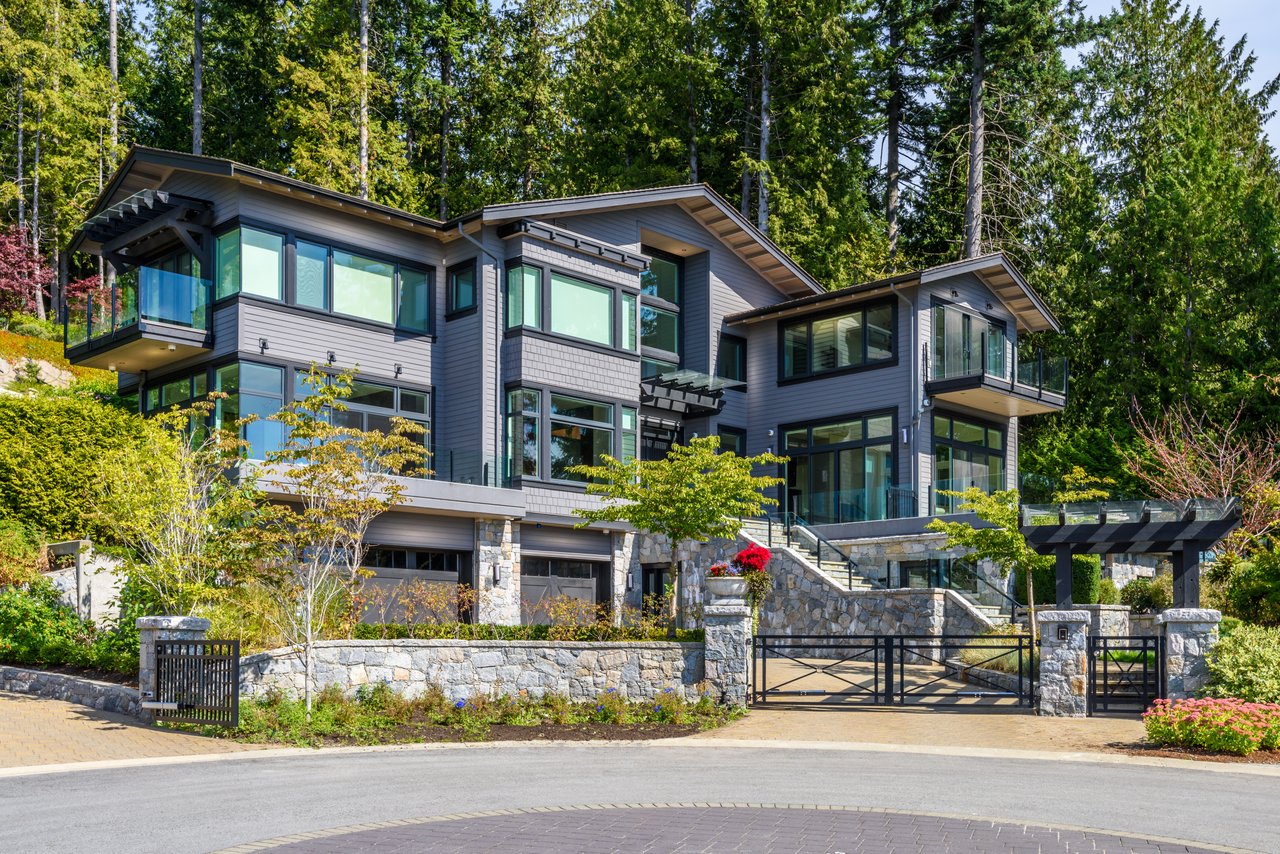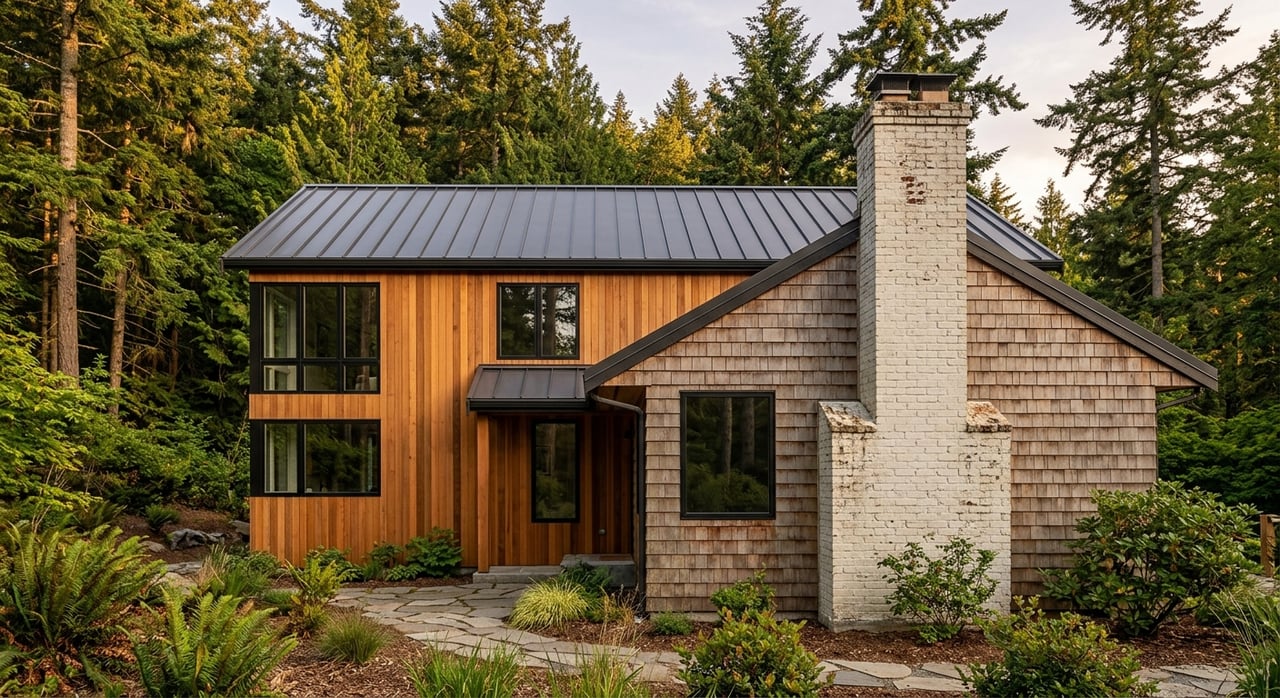
Wondering whether an older home or a newer one makes more sense in Comox? You are not alone. In a market with plenty of detached homes and a meaningful share of older housing, this choice often comes down to lifestyle, budget, and how much maintenance or updating you are comfortable taking on. This guide will walk you through the key trade-offs, the local housing mix, and the questions to ask before you buy. Let’s dive in.
Comox Housing Stock at a Glance
Comox has a housing mix that makes this decision especially relevant. According to the 2021 Census, the town had 6,445 occupied private dwellings, including 4,240 single-detached houses.
A large share of homes in Comox were built decades ago. The census shows 585 dwellings built in 1960 or earlier, and 1,970 built between 1961 and 1980. The Town of Comox Housing Needs Report also notes that about half of the dwelling stock was built in the 1990s or earlier.
That matters because older versus newer in Comox is often more than just age. In many cases, it can also mean choosing between older detached homes with renovation potential and newer homes that may be more compact or part of multi-unit developments.
Why Older Homes Appeal in Comox
Older homes can be a great fit if you want more flexibility to update a property over time. In Comox, many older homes are detached, which may appeal if you want a yard, more separation from neighboring homes, or the chance to personalize the space.
There is also a practical side to older housing stock. If you are open to improvements, an older home may give you more room to balance purchase price and renovation plans. For some buyers, that can be a smart path into the Comox market.
What to Check in an Older Home
Older homes deserve closer inspection, especially when it comes to major systems. CMHC recommends paying attention to the electrical panel, heating system, insulation, plumbing, roof, sewage and drains, and windows.
A few specific items are worth asking about during showings and inspections:
- Electrical service: Ask whether the home has been upgraded to 200 amps. CMHC notes that 60- or 100-amp service is often not enough for a modern household.
- Heating system: Confirm the age of the furnace or heat pump, along with the fuel source.
- Insulation: Older plaster-wall construction may have little or no insulation in the walls.
- Roof and windows: Roofs are often good for about 20 to 25 years, and older single-pane windows may be due for replacement.
- Plumbing and drains: Lead pipes or older plumbing materials can signal the need for updates.
- Exterior wear: Watch for rotting decks, porch deterioration, or crumbling chimney mortar.
Renovation Materials to Keep in Mind
If you are considering renovations, building materials matter. Health Canada says asbestos may still be found in older building materials, especially in homes built before 1990.
Health Canada also notes that homes built before 1991 may contain lead-based paint or lead undercoats. This becomes especially important if you plan to open walls, replace flooring, disturb insulation, or do other renovation work.
Moisture Matters in Comox
Comox’s local climate should be part of your decision. The Town of Comox describes the community as oceanside, and the Province describes Vancouver Island as having a maritime climate with mild, wet winters.
For buyers, that means moisture management deserves extra attention. Look closely at roofs, flashing, gutters, grading, ventilation, and any signs of dampness or condensation. In this climate, small water issues can turn into bigger repair items if they are missed.
Why Newer Homes Appeal in Comox
Newer homes usually attract buyers who want fewer immediate repairs and more predictable maintenance. If you are relocating, buying remotely, or trying to keep your first few years in the home simple, that can be a big advantage.
A newer home may also align well with buyers who want updated systems and more current construction standards. This can be especially helpful if you are managing a move on a tight timeline and want fewer unknowns after possession.
Current Building Standards in B.C.
One of the biggest benefits of a newer home is that it was built under more recent provincial rules. The BC Building Code 2024 sets minimum standards for safety, health, accessibility, fire protection, and energy and water efficiency for projects with building permits applied for after March 8, 2024.
The BC Energy Step Code also sets performance requirements for energy efficiency in new buildings. These rules are intended to move the industry toward net-zero energy-ready buildings by 2032.
The 2024 code also adds a cooling requirement so one living space does not exceed 26 degrees Celsius. For buyers thinking about comfort as well as operating costs, that is a meaningful feature to understand.
New Home Warranty in B.C.
In British Columbia, new homes built by licensed residential builders must have 2-5-10 home warranty insurance. BC Housing says buyers should confirm whether the builder is licensed and whether home warranty insurance is in place.
You should also verify details through the New Homes Registry and ask about warranty timelines. For newer homes, knowing the expiry dates for labour and materials, the building envelope, and structure can help you understand what protection remains after you take ownership.
Newer Does Not Mean No Inspection
Even if a home is recently built, you still need to do your homework. BC Housing recommends a walk-through with the builder and a home inspector before possession.
That is important because warranty coverage applies to construction defects, not cosmetic preferences. You still want to look carefully at finish quality, drainage, HVAC performance, windows, doors, and any early deficiency items.
How Newer Inventory May Differ in Comox
In Comox, newer homes may not always look like newer versions of older detached properties. The Town’s housing needs data suggests that recent completions have skewed toward apartments and other multi-unit forms.
That does not mean every new listing will be a condo or apartment. It does mean that if you want a newer home in Comox, you may find more attached or compact options than you expected.
For some buyers, that is a positive. A newer condo or townhouse may offer easier upkeep and a more move-in-ready experience. For others, an older detached home may be the better fit if lot size or renovation freedom matters more.
Older vs. Newer Homes in Comox
Here is the practical trade-off many buyers face in Comox:
| Home Type | Potential Advantages | Key Considerations |
|---|---|---|
| Older home | More detached options, possible renovation flexibility, established lots | Higher chance of aging systems, moisture concerns, and upgrade costs |
| Newer home | More current building standards, newer systems, possible warranty coverage | Inventory may lean more toward multi-unit housing, and inspection is still essential |
Neither option is automatically better. The right fit depends on your budget, timeline, maintenance comfort, and how much work you want to take on after closing.
Questions to Ask During Comox Showings
Whether you are buying an older home or a newer one, asking the right questions can save you time and stress. In British Columbia, home inspectors are licensed through Consumer Protection BC, and inspections are visual and typically non-invasive.
That means a home inspection is essential, but it may not catch every hidden issue. In some cases, you may also need specialized experts for concerns like mold, asbestos, or drainage.
Smart Questions for Any Home
Use these questions to guide your due diligence:
- When was the home built, and who built it?
- Can we review the permit history and property file?
- Were major renovations, additions, or exterior changes properly permitted?
- What updates have been made to the home, and when?
The Town of Comox now offers online building and development permit applications and property file requests, which can help confirm past work and clarify the home’s history.
Extra Questions for Older Homes
If the home is older, ask for details on the systems that most often affect repair budgets:
- How old is the roof?
- Has the electrical service been upgraded?
- What is the age of the furnace or heat pump?
- Have the windows been replaced?
- Has the plumbing been updated?
- Have there been any drainage or moisture issues?
Extra Questions for Newer Homes
If the home is newer, focus on warranty and early performance details:
- Is the builder licensed?
- Is home warranty insurance in place?
- What are the warranty expiry dates?
- Were any deficiencies identified and repaired?
- Has there been a pre-possession inspection or walk-through documentation?
How to Decide What Fits You Best
If you want move-in readiness, lower short-term repair risk, and the benefit of more current building standards, a newer home may be the right choice. This can be especially appealing if you are relocating to Comox and want a smoother transition.
If you value detached housing, established lots, or the chance to update a home over time, an older property may offer more of what you are looking for. You just need to go in with a clear understanding of inspection findings, permit history, and likely upgrade costs.
In Comox, the decision is often less about old versus new in a general sense and more about which trade-offs fit your life best. A careful review of systems, permits, warranty coverage, and moisture management can help you buy with more confidence.
If you are comparing older and newer homes in Comox and want a calm, detail-focused guide through inspections, permits, and the bigger picture, Stevie Cauvier can help you move forward with clarity.
FAQs
What should buyers check in older homes in Comox?
- Buyers should pay close attention to the electrical panel, heating system, insulation, plumbing, roof, drains, windows, and any signs of moisture or deferred maintenance.
What makes newer homes in Comox attractive to buyers?
- Newer homes may offer newer systems, fewer immediate repairs, current BC building standards, and possible protection through 2-5-10 home warranty insurance.
Are home inspections important for newer homes in Comox?
- Yes. Even newer homes should be inspected because warranty covers construction defects, not cosmetic preferences, and early issues with finishes, drainage, HVAC, windows, or doors can still appear.
Why is moisture such an important issue for homes in Comox?
- Comox is an oceanside community on Vancouver Island, which has a maritime climate with mild, wet winters, so buyers should watch closely for dampness, condensation, roof issues, and drainage concerns.
Can buyers review permit history for homes in Comox?
- Yes. The Town of Comox offers online building and development permit applications and property file requests, which can help buyers confirm past work and review a property’s history.
How common are older homes in Comox?
- Older homes are a significant part of the local housing stock. The 2021 Census shows many homes were built before 1990, and the Town of Comox reports that about half of the dwelling stock was built in the 1990s or earlier.